Xray: What It Shows and When You Need One
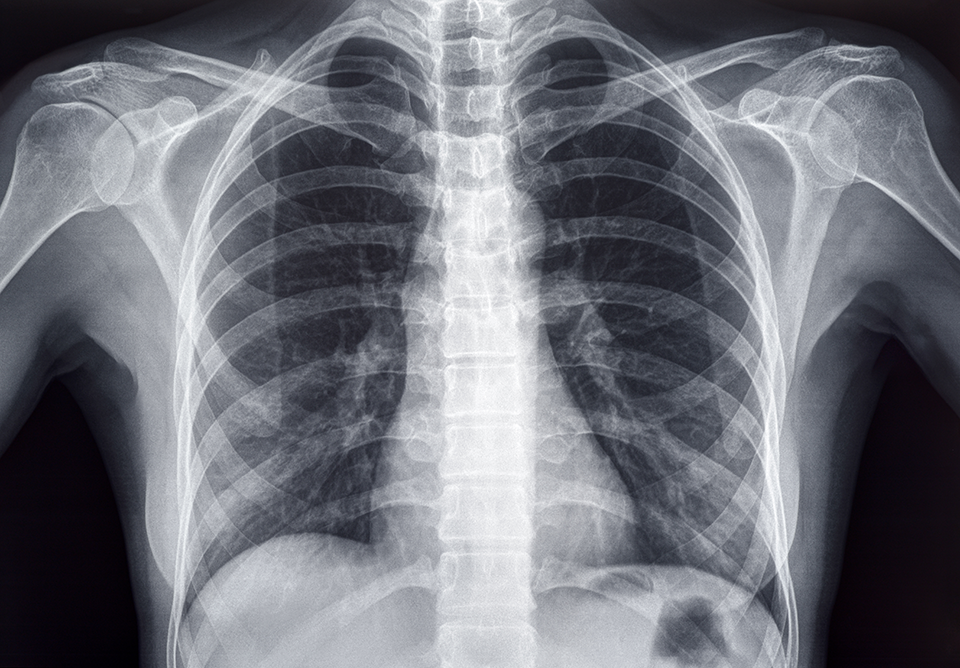
A painful ankle after a fall, a cough that will not settle, back pain that keeps returning - these are the moments when an xray often becomes the fastest way to get useful answers. An xray is one of the most common imaging tests in medicine because it helps doctors look inside the body quickly, safely, and without surgery.
For many patients, the question is not just what an xray is. It is whether they need one, what it can actually show, and what happens during the test. Knowing the basics can make the process feel much more straightforward, especially when imaging is part of a larger care plan.
What an xray does
An xray uses a small amount of radiation to create images of structures inside the body. Dense materials such as bone appear more clearly, which is why xray imaging is often the first test used for suspected fractures, joint problems, and certain chest conditions.
That said, an xray is not limited to broken bones. Doctors may use it to assess the lungs, look for signs of pneumonia, check the position of certain medical devices, evaluate arthritis, or investigate abdominal concerns in selected cases. It is often the starting point because it is fast, widely used, and helpful for narrowing down the next step.
The key point is that an xray gives part of the picture, not always the whole story. If symptoms suggest a soft tissue injury, nerve issue, or a condition that needs more detail, your doctor may recommend ultrasound, CT, MRI, or lab testing as well. Good medical care is not about ordering every test. It is about choosing the right one at the right time.
When doctors recommend an xray
An xray is usually ordered when your symptoms, physical exam, or medical history suggest a problem that this type of imaging can show clearly. In outpatient care, some of the most common reasons include injury, persistent pain, breathing symptoms, and follow-up monitoring.
If you twist your foot, land hard on your wrist, or develop swelling after a sports injury, an xray can help check for fractures or dislocation. In orthopedics, it is also useful for tracking healing after an injury or procedure.
For chest symptoms, a doctor may request an xray if you have ongoing cough, shortness of breath, fever, or chest discomfort. A chest xray can help identify infection, fluid buildup, or other changes that need attention. It does not diagnose every lung condition on its own, but it often helps guide what comes next.
In older adults and patients with chronic joint pain, xray imaging may be used to evaluate wear-and-tear changes such as osteoarthritis. In children, doctors use it carefully and only when it will meaningfully support diagnosis or treatment decisions.
What an xray can and cannot show
This is where expectations matter. An xray is excellent for visualizing bones and can reveal fractures, alignment issues, degenerative joint changes, and certain chest abnormalities. It can also help identify some abdominal issues, though not all digestive problems are visible on plain films.
What it cannot do as well is show fine detail in muscles, ligaments, tendons, nerves, and many internal organs. A normal xray does not always mean nothing is wrong. For example, early stress fractures, some infections, and many soft tissue injuries may not show up clearly at first.
That is why doctors interpret xray results in context. Your symptoms, physical exam, age, health history, and sometimes your lab work all matter. If your pain is severe but the xray is normal, your doctor may still advise treatment, follow-up imaging, or specialist review.
What to expect during an xray
Most xray appointments are quick. You will usually be asked to remove jewelry, metal objects, or clothing that could interfere with the image. Depending on the body part being examined, you may change into a gown.
The technologist will position you carefully to get the clearest possible view. You might be asked to stand, sit, or lie down. In some cases, more than one image is needed from different angles. If you are having a chest xray, you may be asked to take a deep breath and hold it briefly.
The test itself is painless. The most uncomfortable part is often staying still or holding a position if the injured area is tender. The imaging usually takes only a few minutes, though the full visit may be longer depending on registration, positioning, and whether multiple views are required.
Is xray radiation safe?
This is one of the most common concerns, and it is a reasonable one. An xray does involve radiation, but the dose used in standard diagnostic imaging is generally low. Healthcare providers order it when the expected benefit outweighs the small risk.
Safety also depends on using imaging appropriately. A qualified doctor does not order an xray simply because it is available. The decision should be based on symptoms and clinical need. If another test is more suitable, that should be discussed.
Pregnancy is an important example. If you are pregnant or think you may be pregnant, tell your healthcare team before the exam. In many cases, imaging can still be managed safely, but the team may modify the approach or choose another test depending on the body area and urgency.
Children also receive special consideration because they are more sensitive to radiation. That does not mean xray should be avoided when needed. It means imaging should be targeted, justified, and performed with proper technique.
Preparing for your xray visit
For many xray exams, little or no preparation is needed. You can usually eat, drink, and take your usual medications unless your doctor tells you otherwise. Wearing comfortable clothing without metal fasteners can make the visit easier.
It helps to bring relevant medical information, especially if this is a follow-up study. If you have prior imaging, your doctor may compare old and new results to see whether a condition is improving, unchanged, or getting worse. That comparison can be just as valuable as the image itself.
You should also be ready to explain your symptoms clearly. When did the pain start? Was there an injury? Is there swelling, fever, cough, or numbness? Imaging is more useful when your care team has the full clinical picture.
Getting results and understanding next steps
After the xray is completed, the images are reviewed by a radiologist or the ordering physician, depending on the setting and urgency. Some findings are straightforward. A clear fracture, advanced arthritis, or obvious chest infection may be recognized quickly. Other cases need more careful interpretation.
If the result explains your symptoms, treatment may begin right away. That might include medication, splinting, physical therapy, further specialist evaluation, or follow-up imaging. If the xray does not answer the question completely, your doctor may recommend another test.
This is where coordinated care makes a real difference. When imaging, consultation, pharmacy support, and follow-up can happen in one place, patients spend less time repeating their story and more time moving toward treatment.
Why the right setting matters for xray care
An xray is a common test, but the quality of care around it still matters. Patients benefit most when imaging is part of a thoughtful medical process, not an isolated transaction. You want a setting where the doctor ordering the test understands your symptoms, the imaging is performed efficiently, and the results feed directly into a clear care plan.
That matters for a parent with a child who may have an injury, for an adult trying to sort out persistent chest symptoms, and for an older patient managing chronic joint pain. Speed is helpful, but speed without context can create confusion. The best experience combines access, accuracy, and follow-through.
If your doctor recommends an xray, it is usually because the test can answer an important question quickly. Ask what they are looking for, what the result may change, and whether any further testing is likely. A good medical team will welcome those questions and guide you through the next step with clarity and care.
Need to discuss symptoms before getting an xray?
Book with our team at Central Medical Centre so we can guide you on the right test and next step.